What Is Fetal Arrhythmia? Causes, Symptoms, Diagnosis & Treatment
- Dr Amitoz Baidwan

- 1 day ago
- 6 min read
Pregnancy comes with many milestones, and hearing your baby's heartbeat is one of the most reassuring moments for expecting parents. However, there are times when the heartbeat may seem faster, slower, or irregular than expected. This condition is known as Fetal Arrhythmia, and while it can sound alarming, it is often manageable with timely diagnosis and appropriate monitoring.
Most cases of Fetal Arrhythmia are harmless and resolve before or shortly after birth. However, some rhythm abnormalities require careful evaluation by a Pediatric Cardiologist because they may affect the baby's heart function or overall well-being.
Understanding the causes, warning signs, diagnosis, and treatment options can help parents feel informed and prepared if this condition is detected during pregnancy.
What Is Fetal Arrhythmia?
Fetal Arrhythmia refers to an abnormal heart rhythm in an unborn baby. Instead of beating in a regular pattern, the fetal heart may beat too fast (tachycardia), too slow (bradycardia), or irregularly.
A healthy fetal heart typically beats between 110 and 160 beats per minute, although temporary variations can occur depending on the baby's activity. Persistent abnormalities, however, require further assessment.
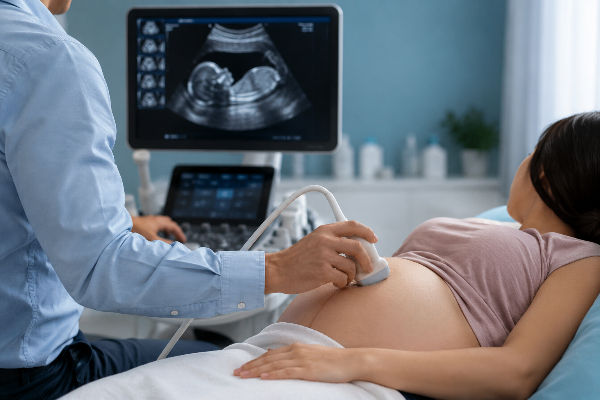
The condition is usually detected during a routine prenatal examination when the healthcare provider notices an unusual heartbeat while listening with a Doppler device or performing an ultrasound. In such situations, a specialized Foetal Echo is often recommended to evaluate the baby's heart structure and rhythm in detail.
Although Foetal Arrhythmia is another commonly used spelling, Fetal Arrhythmia is the preferred term in many international medical publications. Both refer to the same condition.
How Common Is Fetal Arrhythmia?
Fetal Arrhythmia affects approximately 1–2% of all pregnancies, making it relatively uncommon but not rare.
The encouraging news is that nearly 90% of fetal rhythm abnormalities are caused by isolated premature heartbeats, which usually disappear on their own without affecting the baby's health. A smaller percentage represents more significant rhythm disorders that may need monitoring or treatment before birth.
This is why early detection and accurate evaluation play a crucial role in ensuring the best possible outcome.
What Causes Fetal Arrhythmia?
Several factors can influence the baby's heart rhythm during pregnancy. In many pregnancies, no specific cause is identified.
Possible causes include:
Premature atrial contractions (the most common cause)
Structural congenital heart defects
Electrical conduction abnormalities within the fetal heart
Maternal autoimmune disorders
Thyroid disorders during pregnancy
Certain medications
Maternal infections
Electrolyte imbalances
Twin pregnancies in some cases
Genetic conditions affecting the heart
Occasionally, the rhythm disturbance develops even when both mother and baby are otherwise healthy.
Types of Fetal Arrhythmia
Understanding the type of Fetal Arrhythmia helps determine whether treatment is necessary.
Premature Atrial Contractions (PACs)
These are extra heartbeats that occur before the normal heartbeat. PACs account for the majority of fetal rhythm abnormalities and are generally considered benign. Most resolve naturally during pregnancy or soon after delivery.
Fetal Tachycardia
In fetal tachycardia, the baby's heart beats persistently above the normal range, often exceeding 180 beats per minute.
Some forms, such as supraventricular tachycardia (SVT), may continue for prolonged periods and can place extra strain on the baby's heart if left untreated.
Fetal Bradycardia
Bradycardia occurs when the fetal heart rate remains consistently below 110 beats per minute.
While brief slowing may occur normally, persistent bradycardia may indicate problems with the heart's electrical conduction system or maternal autoimmune antibodies affecting the baby's heart.
Complete Heart Block
This rare but serious form occurs when electrical signals cannot travel normally between the upper and lower chambers of the heart. Babies with complete heart block require close monitoring by specialists throughout pregnancy.
Symptoms: Can Parents Notice Fetal Arrhythmia?
One of the most common concerns among expecting parents is whether they can feel Fetal Arrhythmia.
In most cases, the answer is no.
Unlike adults, unborn babies cannot describe symptoms, and mothers usually do not experience anything unusual. The condition is most often discovered during routine prenatal check-ups.
However, some parents may notice:
Reduced fetal movements
Unusually active fetal movements
A healthcare provider mentioning an irregular heartbeat during examination
These signs do not necessarily indicate a serious problem but should always be evaluated promptly.
How Is Fetal Arrhythmia Diagnosed?
Accurate diagnosis is essential because treatment depends entirely on identifying the exact rhythm abnormality.
A Foetal Echo (fetal echocardiography) is the most important investigation for evaluating Fetal Arrhythmia. It is a detailed ultrasound that examines:
Heart structure
Blood flow
Valve function
Heart rhythm
Pumping efficiency
Unlike a routine pregnancy ultrasound, a Foetal Echo provides specialized information about how the baby's heart is functioning.
Ultrasound Examination
Regular ultrasound scans help monitor fetal growth, amniotic fluid levels, and overall well-being while assessing whether the abnormal rhythm is affecting the baby.
Doppler Assessment
Doppler ultrasound measures blood flow through different parts of the fetal circulation and assists doctors in identifying rhythm abnormalities.
Maternal Evaluation
Doctors may also recommend blood tests to check for thyroid disease, autoimmune antibodies, infections, or other maternal conditions that could contribute to Fetal Arrhythmia.
When Does Fetal Arrhythmia Need Treatment?
Not every case requires medication.
Treatment depends on:
The type of rhythm abnormality
Heart rate
Presence of structural heart disease
Whether the baby shows signs of heart failure
Gestational age
Most isolated premature beats simply require regular follow-up.
However, persistent tachycardia or severe bradycardia may require treatment during pregnancy.
In certain situations, medications are given to the mother because they cross the placenta and help normalize the baby's heart rhythm. Rarely, early delivery may be considered if continuing the pregnancy poses greater risks than birth.
Can Fetal Arrhythmia Harm the Baby?
This is often the first question parents ask after receiving the diagnosis.
Fortunately, the outlook is excellent for most babies.
Benign rhythm abnormalities usually resolve without long-term complications.
The risk increases only when Fetal Arrhythmia is associated with prolonged fast heart rhythms, complete heart block, or congenital heart disease. In these situations, delayed treatment may lead to heart enlargement, reduced pumping function, or fetal hydrops—a condition where fluid accumulates in different parts of the baby's body.
Early diagnosis significantly improves outcomes because specialists can monitor the pregnancy closely and intervene when necessary.
What Happens After Birth?
Babies diagnosed with Fetal Arrhythmia during pregnancy are usually examined soon after delivery.
The newborn evaluation may include:
Physical examination
Electrocardiogram (ECG)
Echocardiogram
Heart rhythm monitoring if needed
Many newborns have a completely normal heartbeat by the time they are born, while others may require temporary medication or continued follow-up with a Pediatric Cardiologist.
Can Fetal Arrhythmia Be Prevented?
There is no guaranteed way to prevent Fetal Arrhythmia, but maintaining a healthy pregnancy may reduce certain risks.
General recommendations include:
Attend all prenatal appointments.
Manage thyroid and autoimmune conditions.
Take pregnancy medications only as advised by your doctor.
Follow a balanced diet and stay hydrated.
Report any noticeable changes in fetal movements promptly.
Early prenatal care remains the best strategy for identifying potential concerns before complications develop.
Conclusion
Hearing that your unborn baby has Fetal Arrhythmia can feel overwhelming, but it is important to remember that most cases have a positive outcome. Many rhythm abnormalities are temporary and resolve without treatment, while more complex conditions can often be managed successfully with early diagnosis, careful monitoring, and timely medical intervention.
A detailed Foetal Echo performed by an experienced specialist is one of the most valuable tools for understanding your baby's heart rhythm and planning the right care. When necessary, coordinated management involving obstetricians and a skilled Pediatric Cardiologist helps ensure the safest possible pregnancy and delivery.
If your baby has been diagnosed with Fetal Arrhythmia or there is concern about an abnormal heartbeat during pregnancy, consulting Dr. Amitoz Baidwan can provide expert evaluation and compassionate guidance. With extensive experience in fetal and pediatric cardiology, Dr. Amitoz Baidwan offers advanced Foetal Echo assessments, accurate diagnosis, and personalized care to help parents make informed decisions and achieve the best possible outcomes for their baby.
Frequently Asked Questions
Does Fetal Arrhythmia affect the baby's growth?
Most cases do not affect fetal growth. However, severe or persistent Fetal Arrhythmia may impact heart function and require closer monitoring throughout pregnancy.
Is Fetal Arrhythmia a congenital heart defect?
No. Fetal Arrhythmia is a heart rhythm disorder. While some babies may also have congenital heart defects, many have completely normal heart structures.
Can stress during pregnancy cause Fetal Arrhythmia?
There is no strong evidence that normal pregnancy-related stress directly causes Fetal Arrhythmia. Maintaining overall maternal health and regular prenatal care remains important.
Who should I consult for Fetal Arrhythmia in Mohali?
If Fetal Arrhythmia is suspected, consult an experienced Pediatric Cardiologist like Dr. Amitoz Baidwan in Mohali for a detailed Foetal Echo and expert evaluation.


Comments