Can Children with Heart Disease Play Competitive Sports?
- Dr Amitoz Baidwan

- 6 days ago
- 7 min read

A diagnosis of heart disease does not automatically mean that a child must avoid competitive sports. Many children with congenital or acquired heart conditions can participate safely, either without restrictions or with carefully selected limits. The correct decision depends on the child’s diagnosis, heart function, symptoms, treatment history and the demands of the chosen sport.
Current sports-cardiology guidance has moved away from automatically disqualifying every athlete with a cardiovascular condition. Doctors now emphasize individual risk assessment and shared decision-making involving the child, parents and cardiologist. A pediatric cardiac consultation is therefore essential before a child with known heart disease begins or returns to competitive training.
Why Children with Heart Disease Need a Sports-Specific Cardiac Assessment
Casual play and competitive sport are not medically identical. Competitive athletes often train at a higher intensity, exercise for longer periods and continue despite fatigue because performance matters. Football, basketball, swimming and distance running place substantial endurance demands on the heart. Weightlifting, wrestling and gymnastics may involve greater strength or pressure loads. Contact sports also add the risk of physical impact, bleeding or injury to an implanted cardiac device.
The same child may be suitable for one sport but require limits in another. Modern guidance treats sporting intensity as a continuum rather than placing every activity into a rigid category. The pediatric cardiologist considers how the child actually trains and whether the activity combines endurance, strength, contact or repeated high-intensity effort.
The Heart Condition Matters More Than the Label
“Heart disease” covers many different conditions. Some children have small or successfully repaired congenital defect, such as an atrial septal defect or ventricular septal defect. Others may have valve narrowing, repaired tetralogy of Fallot, cardiomyopathy, an abnormal heart rhythm, pulmonary hypertension, aortic enlargement or reduced pumping function. The risk during intense exercise is not the same for each condition.
A child with a repaired simple defect, normal heart function, no significant residual obstruction and no dangerous rhythm disturbance may be allowed broad participation. In contrast, significant ventricular dysfunction, uncontrolled arrhythmia, severe obstruction, active heart inflammation, marked pulmonary hypertension or certain high-risk cardiomyopathies may require temporary or long-term restrictions.
Most children with relatively simple congenital heart defects that have been successfully treated can participate in many physical activities. However, successful surgery does not always mean that long-term monitoring is no longer necessary. Some repaired conditions can produce rhythm changes, valve problems or reduced heart function later in life.
What a Pediatric Cardiac Consultation Evaluates
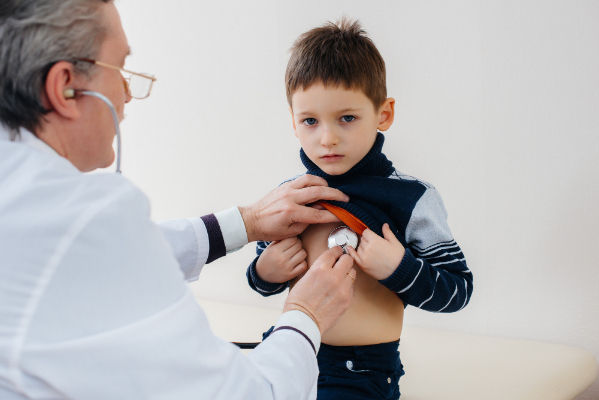
Sports clearance should begin with a detailed clinical assessment rather than a single test. The doctor reviews the original diagnosis, previous operations or catheter procedures, medicines, exercise tolerance and earlier cardiac reports.
Symptoms during physical activity are especially important. The doctor may ask whether the child has experienced chest discomfort, unusual breathlessness, dizziness, fainting, palpitations or an unexplained reduction in sporting performance. A family history of cardiomyopathy, inherited rhythm disorders or sudden unexplained death at a young age must also be discussed.
The physical examination may include heart rate, blood pressure, oxygen saturation, heart sounds and signs of poor circulation. An electrocardiogram can help identify electrical conduction or rhythm abnormalities. Echocardiography shows the structure of the heart, valve function, blood flow, pressure-related changes and the strength of the heart’s pumping chambers.
Depending on the condition, additional testing may include:
A Holter monitor to record the heart rhythm over an extended period
An exercise stress test to observe the heart during increasing physical effort
Cardiac MRI for detailed assessment of heart anatomy and muscle
Blood tests when infection or heart inflammation is suspected
Exercise testing can be particularly useful when symptoms are unclear or when the doctor needs to define an appropriate training intensity. Preparticipation evaluation is intended to identify potentially serious conditions while helping children find safe and suitable ways to remain physically active.
Clearance Is Based on Function, Not Only Diagnosis
Parents may assume that a child who appears energetic is safe for unrestricted competition. Appearance alone is not enough because some cardiac conditions remain silent until the heart is placed under sustained stress.
The opposite can also be true. A child may tire sooner than classmates because of reduced conditioning, anxiety or limited previous activity rather than dangerous heart dysfunction. Restricting such a child without proper evaluation may reduce fitness further.
A careful pediatric cardiac consultation separates these possibilities. The goal is not simply to approve or reject sport. It is to understand the child’s cardiovascular capacity, identify preventable risks and recommend the highest appropriate level of activity.
The final recommendation may involve:
Full participation without special restrictions
Participation with an intensity or duration limit
Avoidance of a particular high-impact or high-pressure sport
A supervised and gradual return-to-training programme
Temporary restriction while treatment or testing is completed
This individualized approach allows medical safety to be considered alongside the child’s sporting goals and quality of life.
Warning Signs That Should Never Be Ignored
A child should stop exercising and receive medical review if any of the following occurs during training or competition:
Chest pain or pressure
Fainting or near-fainting
Unexplained dizziness
A racing or irregular heartbeat
Unusual shortness of breath
Bluish discoloration around the lips
Sudden weakness or confusion
An unexpected decline in performance
Fainting during exercise always requires medical follow-up. Symptoms become particularly concerning when combined with an abnormal heartbeat or a family history of sudden cardiac death or inherited heart disease.
Normal exertion can cause fast breathing, sweating and tired muscles. Concerning symptoms are different because they are unexpected for the level of exercise, occur repeatedly, appear suddenly or force the child to stop. Coaches should know which symptoms require immediate action instead of encouraging the child to continue.
Special Considerations After Surgery
Returning to competition after heart surgery or a cardiac procedure requires more than allowing the surgical wound to heal. The pediatric cardiologist must confirm that heart function, rhythm and blood flow are stable.
The child may also need time to rebuild strength and endurance. Returning immediately to full competitive intensity can place unnecessary stress on a body that is still recovering.
The timing of return depends on:
The type of surgery or procedure
Healing of the breastbone or catheter site
Remaining valve or blood-flow problems
Heart rhythm stability
Pumping function
Medicines and possible side effects
The physical demands of the sport
A structured increase in activity is usually safer than moving directly from rest to full training.
Pacemakers, Defibrillators and Blood-Thinning Medicines
Children with pacemakers or implantable cardioverter-defibrillators may need to avoid activities with a high risk of direct impact to the device or its leads. Protective equipment may be helpful in some situations, but it does not make every contact sport suitable.
Children taking anticoagulant or blood-thinning medicines face an increased risk of bleeding after collisions, falls or head injuries. Sports such as tackle football, combat sports or activities with a high risk of trauma may require additional restrictions.
These situations do not automatically rule out athletics. They require sport-specific planning, informed discussion and clear instructions from the treating cardiologist.
Building a Safer Return-to-Play Plan

Once clearance is given, training should increase gradually rather than restarting at full competitive intensity. The plan may include effort limits, adequate warm-up and cool-down, proper hydration, rest periods and scheduled follow-up.
The child should understand the condition in age-appropriate language and know when to stop. Parents should provide the school, coach or sports organisation with written medical instructions when restrictions or emergency steps are required.
The sporting venue should also have:
A clear cardiac emergency response plan
Adults trained to perform CPR
Rapid access to an automated external defibrillator
Accurate emergency contact information
A procedure for calling emergency medical services
These safeguards benefit every athlete, not only children with diagnosed heart disease.
Why Regular Reassessment Is Necessary
Sports clearance is not always permanent. Children grow, training intensity changes and some heart conditions evolve. New symptoms, medication changes, surgery, an illness affecting the heart or progression to a higher competition level may alter the previous recommendation.
Regular review with a pediatric cardiologist helps ensure that participation remains suitable as the child develops. Updated testing may also be needed before a new season or after a significant change in health.
Parents should also avoid unnecessary long-term restriction when the medical evaluation supports activity. Appropriate exercise can improve physical fitness, confidence and participation with peers. The objective is balanced care: reducing preventable cardiac risk without removing healthy movement from a child’s life.
Safe Participation Starts With the Right Evaluation
Many children with heart disease can play competitive sports, but clearance must be individualized. The diagnosis, heart function, rhythm, symptoms, treatment, medicines and demands of the chosen activity all influence the decision.
A proper pediatric cardiac consultation provides more useful guidance than assuming that every sport is unsafe or permitting unrestricted participation without assessment.
Dr. Amitoz Baidwan is a pediatric cardiologist with more than 15 years of experience in pediatric heart evaluation, ECHO, ECG and Pediatric cardiac assessment. Parents seeking guidance about sports eligibility, exercise-related symptoms or follow-up after cardiac treatment can schedule a pediatric cardiac consultation with Dr. Amitoz Baidwan in Mohali for an individualized assessment and practical activity recommendations.
Frequently Asked Questions
Can sports prevent heart disease?
Regular physical activity can lower future heart-disease risk by improving fitness, blood pressure, weight control and cholesterol, but it cannot prevent every condition.
Is too much sport bad for your heart?
Excessive training without recovery can strain the body and trigger symptoms, especially in children with heart conditions; balanced, supervised exercise is safer.
Which Sports Are Heart-Safe for Children?
The safest sport depends on the child’s diagnosis and fitness; lower-intensity, non-contact activities are often suitable after assessment by a pediatric cardiologist.
Can children play sports after heart surgery?
Many children can return after heart surgery once healing, rhythm and heart function are stable, but clearance and gradual training remain essential.
How often should a child receive sports clearance?
Clearance frequency depends on the condition, treatment and sport, but reassessment is usually needed before new seasons, after surgery or when symptoms change.


Comments